
Reviewed · LHASA & TIBET TOURS
(Classic route) 8 days of panoramic view of the Tibetan squad – Lhasa + Sheep Lake + Jekaterinburg + Peak + Namashi
Altitude, views, and culture in one sweep. This classic 8-day circuit connects Lhasa with the high-world sights like Yamdrok Yumtso and Everest Base Camp, and it does it with practical support built in for altitude life. I like the way the plan mixes big-ticket monuments with long, scenic drives, without pretending the plateau is easy, and you’ll feel that in the pacing and the onboard extras.
Two things I really like: first, Potala Palace and Jokhang Temple on day 2. You get the visual wow, yes, but also the human side, like watching pilgrims pray around the temple streets at their own rhythm. Second, the Everest area is handled as a real day trip from the region, not a quick photo stop, with stops such as Rongbu Temple at high altitude where you can look up at Everest from a different angle.
One possible drawback: the route is high altitude all the way through, and flights are on you. Lhasa sits at about 3,650 meters, and the tour guidance is very clear that many people feel altitude effects in the first two days, so you’ll want to arrive rested and treat the first 48 hours like your body needs a warm-up.
In This Review
- Key highlights worth your attention
- Lhasa altitude: where the whole trip starts (and where you set your pace)
- Potala Palace, Jokhang Temple, and why the street prayers feel real
- Yamdrok Yumtso and Karola La: holy water, ice history, and big sky time
- Everest Base Camp from Dingri region: Gyatso pass, Rongbu Temple, and the holy viewpoint
- Shigatse stop with Tashilunpo Monastery: the calmer, human-scale day
- Nam Co and Yangbajing: returning to Lhasa with a golden-water moment
- Hotels, oxygen extras, and the small-team feel that helps on the plateau
- Price and value: is $1,350 realistic for this route?
- Guides and drivers: names you might hear, and what to watch for
- What to do (and not do) so you enjoy Everest days
- Who this classic Everest-and-Lhasa circuit is best for
- Should you book this tour?
- FAQ
- What is included in the tour price?
- Are flights and train tickets included?
- How does the tour handle altitude concerns?
- Is pickup offered?
- What attractions are included with entrance tickets?
- What about meals?
- How much should I tip the guide and driver?
Key highlights worth your attention
- Altitude-first planning in Lhasa with an arrival doctor check plus oxygen-focused extras
- Potala Palace and Jokhang Temple delivered with time to watch worshippers at work
- Yamdrok Yumtso and Karola Glacier for holy-water stillness and ice-mass drama
- Everest Base Camp from Dingri region including Gyatso pass and a Rongbu Temple viewpoint
- Nam Co and Yangbajing timing aimed at a calm, scenic payoff on the return to Lhasa
- Small group size up to 10 which usually means less waiting and more personal attention from guides
Lhasa altitude: where the whole trip starts (and where you set your pace)
Lhasa is the gateway city at around 3,650 meters. That matters because oxygen there is only about 70% of mainland levels, so your first job is not sightseeing nonstop, it’s adjusting. The tour explicitly recommends you avoid going out much on day 1 and focus on rest.
The help here is not just advice on paper. You’ll get mobile ticket, pickup is offered, and the package includes an early health check on the first day of arrival in Lhasa, with a physician arranging a basic check for each traveler. On top of that, the “Early Birds Program” gift set includes Tibetan Welcome Dinner plus items like an oxygen bottle and mineral water per day, which is the kind of practical touch that makes your first days feel less risky.
I also appreciate the plain talk: drinking more water, eating more fruits, and taking adequate rest are framed as your best defense against altitude sickness. You do not need to become an altitude expert, but you do need to respect the first two days.
A few more Lhasa & Tibet days worth comparing
- Tibet Tour 8 Days Lhasa to Everest Base Camp Small Group Tour
★ 5.0 · 578 reviews - 7 Days Lhasa to Kathmandu Overland Small Group Tibet Tour via EBC
★ 5.0 · 188 reviews - Tibet Tour 15 Days Lhasa to Kailash Trekking Small Group via EBC
★ 5.0 · 104 reviews
Potala Palace, Jokhang Temple, and why the street prayers feel real
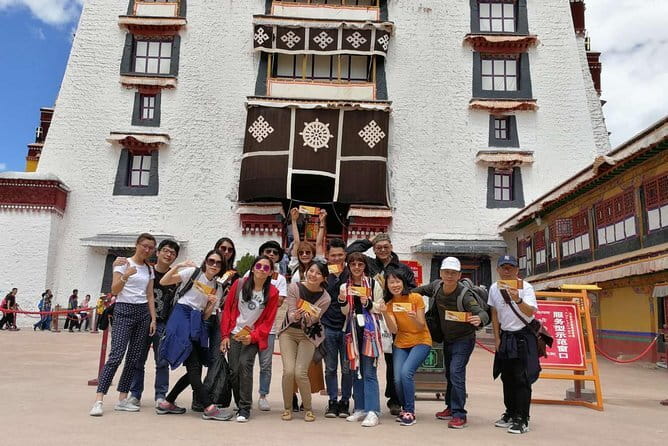
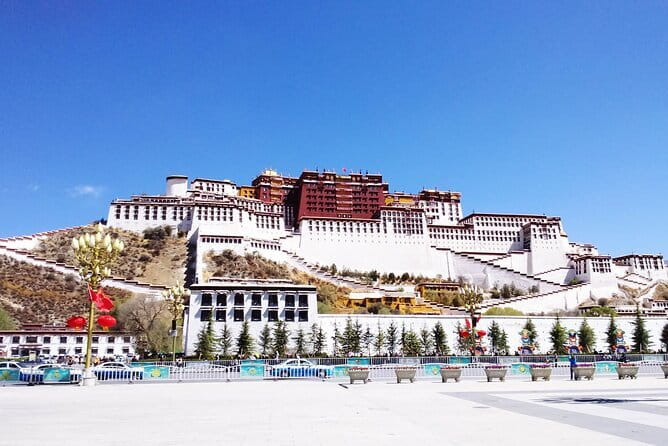
Day 2 is built like a culture core, and it works. Potala Palace is described as the world’s highest ancient palace-style complex, the Dalai Lama’s residence and a center of Tibetan political and religious power. You’ll see the golden spiritual towers and a lot of Tibetan Buddhist art, including murals and Thangkas, so it’s not just a building, it’s an organized world of symbols.
Then you move to Jokhang Temple, one of Tibet’s most sacred sites, tied to the 12-year-old Sakyamuni statue that came with Princess Wencheng into Tibet. The most memorable part here is the surrounding devotion. The tour guidance mentions watching people pray and walk around the octagonal streets, which is the kind of thing you cannot replicate in a museum photo.
There’s also a chance to step into a Tibetan-style pedestrian street area (the plan includes a specific Lhasa neighborhood street walking stop). If you want a sense of how pilgrims move through daily life, this is where you start noticing it.
Yamdrok Yumtso and Karola La: holy water, ice history, and big sky time
On day 3 you head out from Lhasa toward Yamdrok Yumtso Lake. The tour frames it as one of Tibet’s three holy lakes, with the local name Big Yoon Lake, and it treats the drive as part of the experience. At these elevations, even simple stops can feel special because the air looks sharper and the sky takes up more space than you expect.
Next comes Karo La Glacier (spelled in the plan as Karola La Glacier). The description leans into what glaciers really are, geological history turned into ice, “ice-snow written” across time. You won’t leave with a geology degree, but you’ll understand why this area is considered a must-see: the ice mass feels like something that refuses to be ordinary.
Practical note: this is a day where you want to keep your pace comfortable. High-altitude viewing can trick you into thinking you’re fine, then you get tired later. A small-team guided format helps because you can ask questions and adjust without feeling like you’re slowing everyone down.
Everest Base Camp from Dingri region: Gyatso pass, Rongbu Temple, and the holy viewpoint
The Everest days are the heart of the classic route, but they’re also the part where preparation matters most.
You start with the bus ride toward the Dingri County-Xie Geer area, climbing the Gyatso Snow Mountain pass at about 5,220 meters. Along the way, the plan calls out that you can see the majestic Mount Everest. When you reach Xie Geer, you continue toward a high-altitude temple stop.
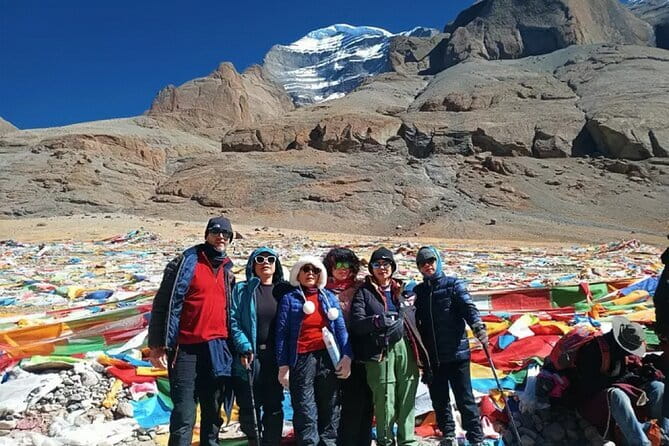
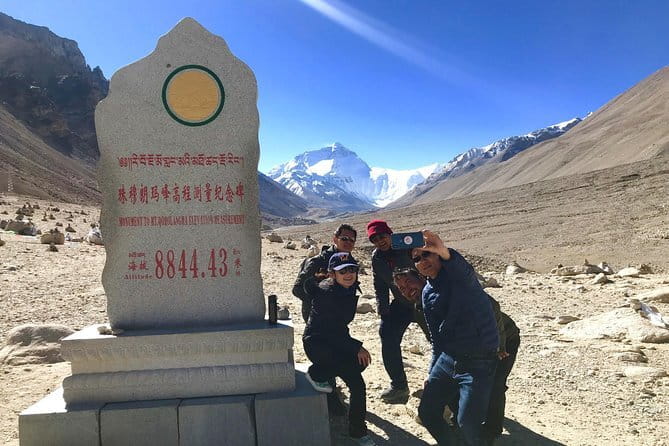
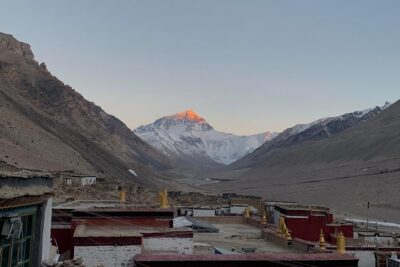
In the afternoon you arrive at the Everest Nature Reserve and visit Rongbu Temple at around 5,100 meters, described as the world’s highest temple. This viewpoint matters because it gives you a framed sense of Everest that feels more spiritual than purely dramatic. There are also colorful prayer flags and a setup for reaching Everest Base Camp by eco-car.
Then day 5 is your full-on Base Camp morning return, with a longer time block to take in the snow year-round and glacier shapes. The plan emphasizes sunrise-style energy, facing the sun and watching the peaks. If you’re hoping for photos, go early and keep your camera ready. If you’re hoping for perspective, take a few minutes just to stand and let your brain catch up.
One practical reality: the plan includes long altitude exposure across multiple days. You’ll get better odds if you follow the early Lhasa guidance again, hydrate, and avoid turning every moment into a sprint.
Same city, a very different kind of day:
- 10 Days Tibet Everest Base Camp and Namtso Small Group Tour
★ 4.5 · 53 reviews - 8 Days Lhasa Gyantse Shigatse Mt Everest Group Tour
★ 5.0 · 52 reviews - 6 Days Central Tibet Culture Small Group Tour
★ 5.0 · 41 reviews - 13 Day Lhasa, Mt. Everest, Mt. Kailash to Kathmandu Adventure
★ 5.0 · 33 reviews
Shigatse stop with Tashilunpo Monastery: the calmer, human-scale day
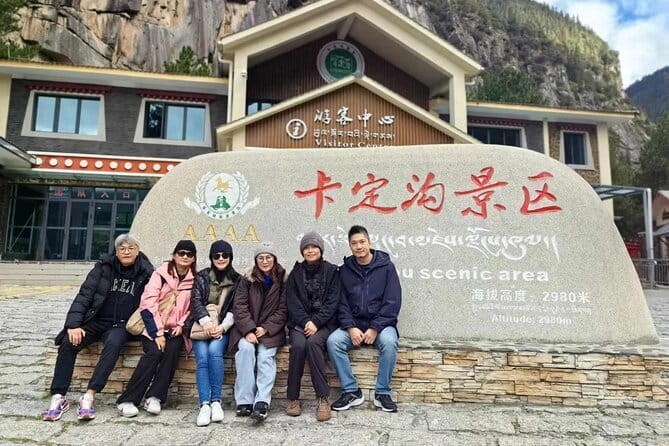
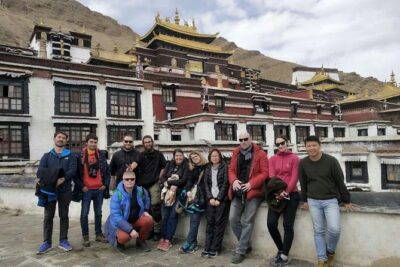
After the intense Everest pull, day 6 turns a little more grounded with Tashilunpo Monastery. It’s described as the soul resting place of Ban Chen Master, connected to the six seats of Huang Sheng, and it also notes ties to historical Ban Chen governance. The tour frames it as a place where you can slow down and take in religious life without the same constant altitude stress as the highest passes.
It’s also a good “mental reset” day. Even if you’re tired from high-altitude driving, monastery visits give you a different kind of energy. You can look, pause, and absorb, instead of constantly adjusting to changing altitude views.
Nam Co and Yangbajing: returning to Lhasa with a golden-water moment
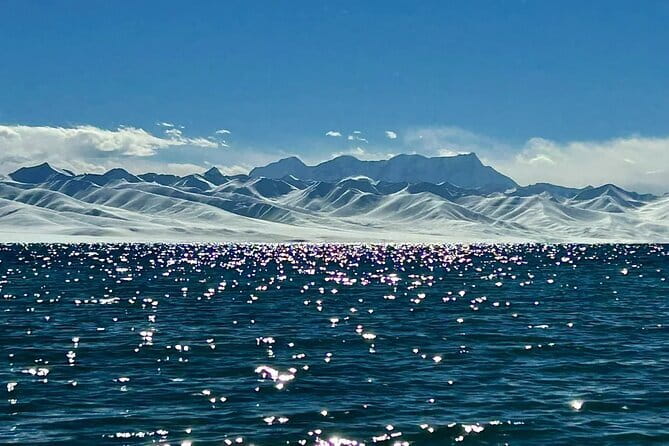
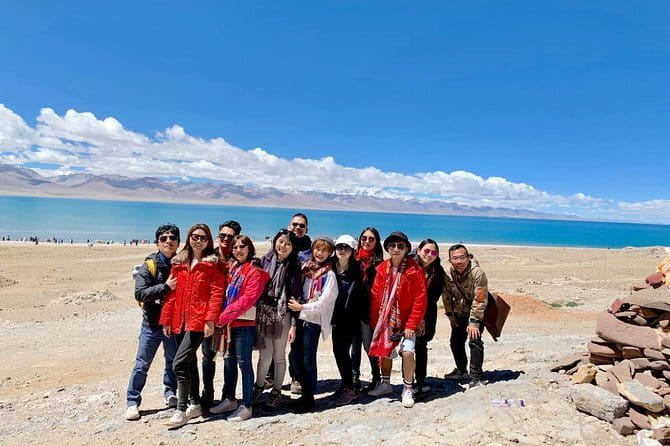
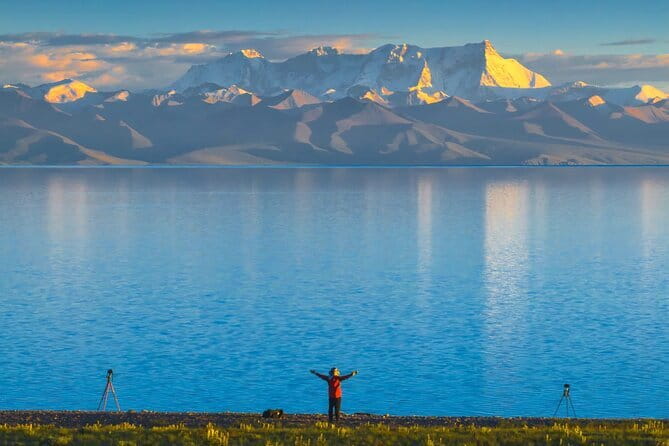
Day 7 focuses on Nam Co, which the plan describes as extremely quiet early in the morning, then turning into a sparkling golden surface as the sun rises. That’s the kind of description that makes you want to show up awake, so treat this day like a payoff. The tour then returns toward Lhasa via a stop at Yangbajing around midday.
Yangbajing is described as about 91.8 kilometers northwest of Lhasa and in Dangxiong County. The key practical reminder is the same: oxygen demand increases in the plateau area, so don’t do too vigorous exercise right after landing or during tight windows. Think easy walking, short photo breaks, and save your energy for the view.
Hotels, oxygen extras, and the small-team feel that helps on the plateau
The accommodation list is built around an altitude-aware concept. In Lhasa you’ll stay in oxygen-focused hotels like Lhasa Five Diamond Oxygen Hotel, Pearl Peak Oxygen Hotel, or Jakarta Oxygen Hotel, depending on availability. The package also includes hotel arrangements in other places on the route and notes that if rooms are full, the agency will use equivalent-class hotels.
What I find useful is that the “extras” are not random. The welcome dinner, Buda Palace Afternoon Tea, and the oxygen bottle and mineral water are included as part of the Early Birds Program. The tour also includes steel bottle oxygen tank equipment as part of the presentation items. Even if you never use it, knowing it’s there reduces stress in a way you feel immediately after arrival.
The tour supports logistics too, with pickup offered and mobile tickets. And the group size limit is capped at maximum 10 travelers, which often means you spend less time waiting in vehicles and more time asking questions of your guide.
Price and value: is $1,350 realistic for this route?
This tour lists $1,350 per person and is typically booked about 17 days in advance. That price is not low, but it’s not purely a “pretty views” premium either. What you’re paying for is a bundled Tibet infrastructure package: car transport (including driver accommodation, road and bridge fees, oil fee, and Pearl Peak mountain fee), guided service, admission tickets, and multiple hotel nights.
Included items also cover the big admin and safety pieces. You get an entry letter, travel agency documents, vehicle seat insurance, and travel agency liability insurance. There’s even a physician for a basic health check on the first day of Lhasa arrival. Those details matter because Tibet logistics can be complicated, and you don’t want to improvise with altitude.
What costs extra is also clearly stated. Flights to and from Tibet and train tickets are not included, and lunch and dinner throughout are not included. Also, the tour recommends paying a small daily fee for driver and guide of 30 to 50 yuan per day depending on circumstances. So when you calculate your real budget, don’t just think $1,350, think food and your own transport into and out of Tibet.
Guides and drivers: names you might hear, and what to watch for
The reviews associated with this kind of small-team Tibet route repeatedly praise the guide and driver care side. You might travel with guides named Tenzin Dzhoga or Dan Zeng Zhuoga, and a driver described as Mima or Chi Mei. People also mention support from team members like Gaga and Master Mima.
Even without knowing your exact pairing, you can judge good support by how they handle two things: altitude pacing and problem solving. A strong guide will remind you not to push yourself, will check how you’re doing, and will keep the group moving steadily without turning the day into a competition.
If you want to feel more secure, ask your guide early how they plan to handle slow members, and confirm when rest stops usually happen. In a high-altitude circuit, your comfort depends on that rhythm.
What to do (and not do) so you enjoy Everest days
This route is visually rewarding, but it’s physically demanding. The tour’s own altitude advice is worth following even if you think you’re tough.
Here’s what I’d do to match their approach:
- Plan to rest on day 1 in Lhasa, drink more water, and eat more fruits.
- Keep your movement moderate on the plateau, especially after arriving. Don’t treat every stop like a hike.
- Bring snacks and keep yourself hydrated, because lunch and dinner are not included.
- For shopping, the tour recommends not buying more valuable goods near scenic areas to avoid disputes. If you’re tempted by impulse souvenirs, set a strict budget.
Also, think about timing expectations. Days 4 and 5 are intense by altitude and travel time. If you go in expecting a relaxed vacation schedule, you’ll be disappointed. If you go in for a “structured, guided high-altitude adventure,” you’ll be happy.
Who this classic Everest-and-Lhasa circuit is best for
This tour fits best if you:
- Want a guided route that hits big cultural sites in Lhasa and Everest Base Camp without you having to coordinate permits and daily transport
- Prefer a small group, since the plan caps at 10 travelers
- Are comfortable with long drives, early mornings, and altitude exposure at roughly 5,000 meters and above during Everest days
- Like history and faith sites, not just scenic viewpoints
If you’re very sensitive to altitude, you should be cautious. The tour itself flags that most guests feel some degree of altitude sickness in the first two days, so your doctor conversation before departure is a smart move.
Should you book this tour?
I’d book this tour if you want an organized Tibet classic that takes you from Lhasa culture to holy lakes and all the way to Everest Base Camp, with real altitude-minded support included in the package. The value is strongest when you compare what’s bundled: hotels, car logistics, entry tickets, guide service, oxygen-related items, and a physician check.
I would not book it if you’re hoping for a fully carefree vacation, because the pace and altitude are the main characters here. Also, since flights and train tickets aren’t included, you’ll want to confirm your total travel budget before you commit.
If you’re ready for that mix of careful pacing and major-view payoff, this is the kind of trip you remember for years.
FAQ
What is included in the tour price?
The package includes car transport, hotel accommodations, entrance tickets for major stops, breakfast, guided service, documents (entry letter), insurance, welcome items like Tibetan Welcome Dinner and Buda Palace Afternoon Tea, plus oxygen bottle or steel bottle oxygen tank equipment and mineral water per day.
Are flights and train tickets included?
No. Flights to and from Tibet and train tickets are not included. The plan describes meeting in Chengdu and then purchasing the designated flight on your own.
How does the tour handle altitude concerns?
You’ll receive altitude guidance for Lhasa, and the tour includes a physician for a basic health check on the first day of arrival in Lhasa. The package also includes oxygen-related items such as an oxygen bottle or steel bottle oxygen tank equipment and daily mineral water.
Is pickup offered?
Yes, pickup is offered.
What attractions are included with entrance tickets?
Entrance tickets are included for Buda Palace (Potala Palace), Nagasaki Temple (Jokhang Temple), Sheep Lake (Yamdrok Yumtso), Kalora Glacier (Karola La Glacier), Peak Main Camp (Everest Base Camp area), Zashlumbo Temple (Tashilunpo Monastery), and Namibya (Nam Co).
What about meals?
Breakfast is included. Lunch and dinner throughout the trip are not included.
How much should I tip the guide and driver?
The tour recommends paying a small daily fee to the driver and guide, about 30 to 50 yuan per person per day, depending on the situation in Tibet.
Recently added around Lhasa & Tibet
- 5 Days Lhasa and Lake Namtso Group Tour★ 5.0 · 6 reviews
- 9 Days Lhasa Gyantse Shigatse Everest Namtso Group Tour★ 4.0 · 21 reviews
- Panorama Multi Day Tour in Tibet★ 5.0 · 3 reviews
- 6-Day Private Tibet Tour: Lhasa, Gyangtse, and Shigatse★ 5.0 · 3 reviews
- Private Guided Day Tour Potala Palace and Sera Monastery★ 5.0 · 22 reviews
- 13 Day Lhasa, Mt. Everest, Mt. Kailash to Kathmandu Adventure★ 5.0 · 33 reviews
- 15 Days Mt Everest and Mt Kailash Kora Pilgrimage Group Tour★ 4.5 · 17 reviews
- 8 Day Tibet Classic Tour★ 5.0 · 5 reviews
Lhasa & Tibet Tours, compared.
Tibet Tour 8 Days Lhasa to Everest Base Camp Small Group Tour
Read our review →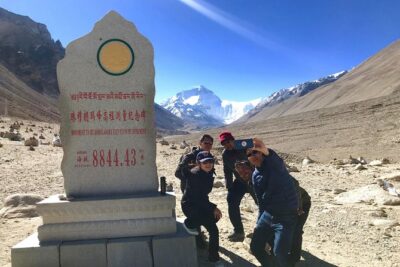
7 Days Lhasa to Kathmandu Overland Small Group Tibet Tour via EBC
Read our review →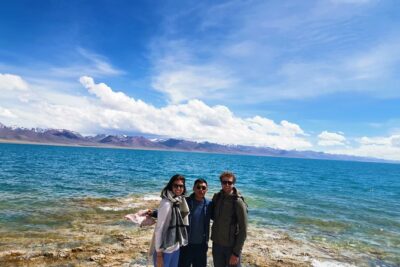
Tibet Tour 15 Days Lhasa to Kailash Trekking Small Group via EBC
Read our review →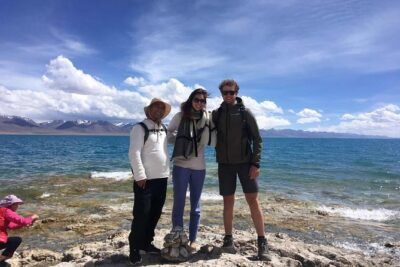
10 Days Tibet Everest Base Camp and Namtso Small Group Tour
Read our review →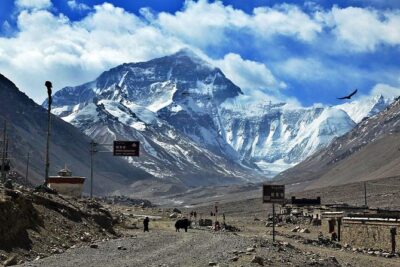
8 Days Lhasa Gyantse Shigatse Mt Everest Group Tour
Read our review →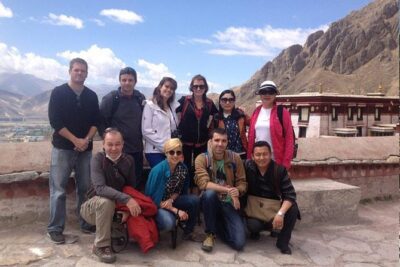
13 Day Lhasa, Mt. Everest, Mt. Kailash to Kathmandu Adventure
Read our review →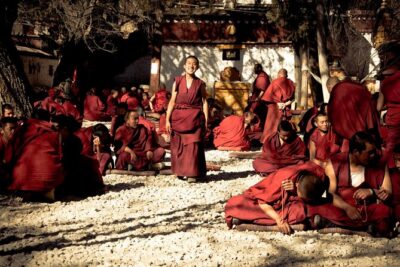
Browse the lists this tour appears in